
English| EUR
Suggested for you
More currencies
Choose a language
The ferry crossing from Copacabana to Isla del Sol is the only way to reach the sacred island in the middle of Lake Titicaca. Multiple operators run daily departures from the main pier, with services concentrated in the morning to avoid rough afternoon lake conditions. Understanding the schedule, ticket system, and pier logistics ensures a smooth start to your island visit.
Quick answer
Ferries depart Copacabana for Isla del Sol daily between 08:30 and 16:00, with most boats leaving in the morning. The crossing takes approximately 90 minutes across open water, covering 15 kilometers of Lake Titicaca at 3,800 meters altitude. Foreign visitors pay a 10 BOB community conservation fee upon arrival at the island, separate from the ferry ticket purchased at the pier.
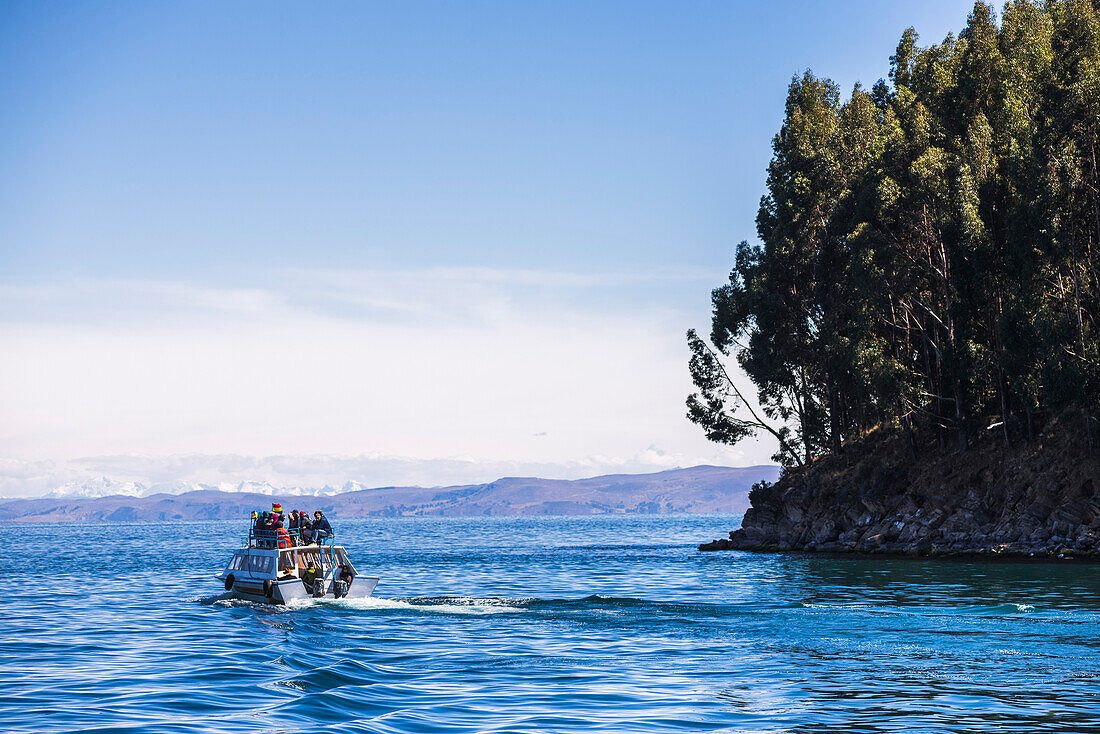
Lake Titicaca's wind patterns shift dramatically after midday, turning the crossing from Copacabana into a test of seasickness tolerance for passengers on afternoon departures. The copacabana to isla del sol ferry operates from a single pier on Avenida 6 de Agosto, where competing boat companies cluster their ticket booths along the waterfront promenade. Boats range from open wooden launches to enclosed fiberglass vessels, all making the same 15-kilometer journey to either the north or south landing points on the island. The lake sits at 3,800 meters above sea level, where thin air and intense ultraviolet radiation create conditions unlike any coastal ferry route. Captains read the water constantly, adjusting speed and course as wind-driven swells build across the fetch between the Bolivian and Peruvian shores. Morning departures benefit from the lake's natural calm, when the water resembles polished steel and the snow-covered peaks of the Cordillera Real stand sharp against the northern horizon. By early afternoon, thermal winds begin their daily march across the altiplano, whipping the surface into whitecaps that drench passengers in the cheaper open boats. Ticket vendors line the pier approach, each representing a different operator running the lake crossing. Prices vary slightly by boat type and landing point, with some services stopping at both the northern Challapampa and southern Yumani communities while others run direct. The journey itself passes the Copacabana peninsula, where terraced slopes drop straight into the water, before striking out across open lake toward the island's ridgeline. Dolphins do not breach here; the freshwater ecosystem supports trout and the occasional Titicaca water frog, though neither makes an appearance from the ferry deck. The island's northern and southern landings serve different starting points for the network of stone-paved footpaths connecting archaeological sites and village communities. Ferries to Yumani in the south arrive at the base of the 206-step Inca staircase leading up to the main village, while Challapampa in the north provides access to the Chinkana ruins and allows hikers to walk the island's spine from north to south. Return boats to Copacabana run on a similar schedule, with the last departures leaving the island by late afternoon to avoid the roughest lake conditions. The boat crossing from Copacabana functions as the mandatory gateway to Isla del Sol, with no alternative transport to an island without roads, vehicles, or airstrip. The lake itself becomes part of the journey, its cold depths holding the creation stories that made this island sacred to the Inca. Passengers watch the island grow larger, revealing the patchwork of agricultural terraces and stone-walled compounds that have anchored communities here for centuries.
“Morning departures benefit from the lake's natural calm, when the water resembles polished steel and the snow-covered peaks of the Cordillera Real stand sharp against the northern horizon.”
The ferry service from Copacabana to Isla del Sol operates on a consistent daily schedule throughout the week. All departures occur within the same time window to facilitate transit across Lake Titicaca.
The ferry departures for Isla del Sol are located at the Copacabana Pier on Avenida 6 de Agosto. Visitors can easily reach this waterfront area on foot from most accommodations within the town center of Copacabana.
Walk south on Avenida 6 de Agosto towards the shoreline
Copacabana Pier to Isla del Sol (North or South terminals)
Plan your arrival to the pier between 08:30 and 13:30. Arriving within this window helps you avoid rough afternoon lake conditions and ensures you have sufficient time to secure transport for your return journey.
The best window for crossing to Isla del Sol is the early morning, specifically between 08:30 and 13:30. Departing during this time ensures you avoid the rougher lake conditions that frequently develop in the afternoon and guarantees sufficient time to secure a return ferry.
Cool, clear, 10°C to 18°C
The dry season offers consistent sunshine and higher visibility for lake travel.
Mild, rain, 8°C to 16°C
Rain showers are common, though mornings often remain clear and suitable for transit.
—
Early departures provide the calmest water conditions and reliable access to the island.
Verdict: The best time for a crossing is Tuesday to Thursday, departing between 08:30 and 13:30 during the dry season months of May or September.
Prepare these essentials before heading to Copacabana Pier for your crossing.
Everything you need to know about copacabana to isla del sol ferry
To catch the copacabana to isla del sol ferry, travelers should head to the main pier located on Avenida 6 de Agosto. Local boat operators manage departures from this central hub throughout the morning hours.
The ferry service operates daily from 08:30 to 16:00. Please plan your schedule within these operational windows to ensure you catch the last boat back to the mainland.
Yes, all foreign visitors must pay a 10 BOB community conservation fee upon arrival. This fee is collected to support local conservation efforts on the island.
The best arrival window for your boat trip is between 08:30 and 13:30. Morning departures are recommended to avoid rough afternoon lake conditions and ensure sufficient time to explore the island ruins before your return.
While many visitors purchase tickets directly at the pier, you may use our site's booking tools to secure your arrangements before arrival. This helps streamline your logistics and ensures you reach the dock on time.
Yes, the copacabana to isla del sol ferry continues to run until 16:00. However, high winds can sometimes affect afternoon crossings, which is why earlier departures are strongly encouraged.
In cases of extreme weather on Lake Titicaca, boat services may be suspended for safety reasons. Monitoring conditions at the pier or checking with your operator is recommended before departure.
It is entirely feasible to visit the island and return in one day if you depart on an early copacabana to isla del sol ferry. Ensure you allow enough time for trekking across the island trail to reach the pick-up point for your return journey.